
 English
 Español
 Français
 Português
 Русский
 العربية
 Deutsch
 Türkçe
 Bahasa Indonesia
 Tiếng Việt
 ไทย
ไทย 简体中文
简体中文
Quality & Testing
Quality is a process,
not a claim
A suture is a implant that has to behave the same way in the 500th box as in the first. This is the chain that holds it there — where the yarn and monofilament come from, what they are tested against, and what is checked before a batch is released.
USP / EP
Pharmacopoeia standards applied
11
Biological safety endpoints tested
Class 10,000
Cleanroom manufacturing
In-house
QC laboratory & ETO sterilization

The Bangalore line these controls run on
The chain
Seven controls, in order
Each step is designed to catch a different failure, and none of them is outsourced. That is the point of doing testing and sterilization on site: a deviation is found by the people who can stop the line.
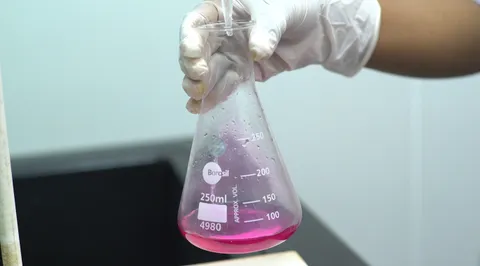
- Coating
 01
01 Braided strands are coated, and the coating is assayed in our own laboratory rather than taken on trust.
- Needle attachment
 02
02 Every needle is swaged to its strand under set conditions. The join is the point of this step, and it is pull-tested further down the chain.
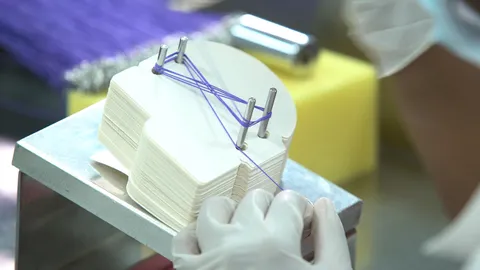
- Winding & packing
 03
03 Wound onto cards and sealed into the primary pack. Handling ends here; everything after this happens through the packaging.
- Validated sterilization
 04
04 In-house ethylene-oxide sterilizers running validated cycles, with residuals checked against limits before release.
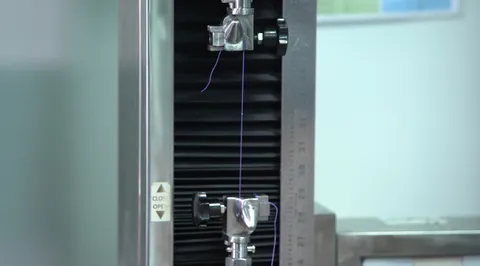
- Strength & gauge
 05
05 Diameter is held to USP and metric limits, and strands are pulled against the pharmacopoeia minimum, batch by batch.
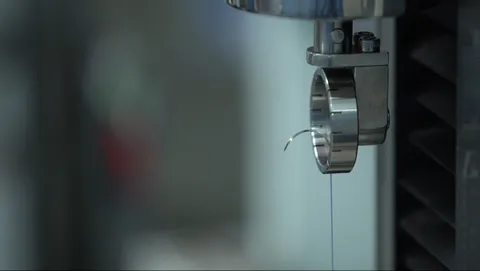
- Needle pull-out
 06
06 The force needed to separate needle from strand is measured on every batch, against the same standards.
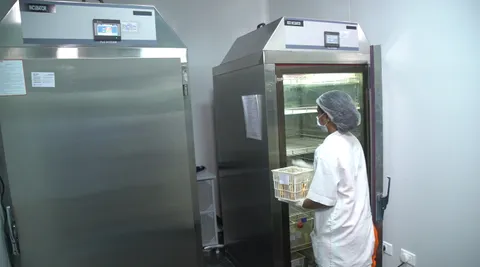
- Sterility
 07
07 Samples from each sterilized lot are cultured before the lot is released, and stability studies set the shelf life printed on the pack.
Biological safety
Eleven endpoints, before a material is used
Biological evaluation asks one question — what does this material do when it meets tissue — and answers it from eleven directions. Each row below says what the assay screens for.
Certification is the evidence, not the argument: our CE, ISO 13485 and WHO-GMP certificates are the audited proof that these systems, practices and records are in place. The certificates themselves are published.
| Endpoint | What it screens for |
|---|---|
| Cytotoxicity | Whether the material or its extracts damage cells in culture. |
| Sensitization | Whether repeated contact provokes an allergic response. |
| Irritation / intracutaneous | Whether the material irritates tissue on contact. |
| Acute systemic toxicity | Effects from a single, short-term exposure. |
| Subchronic toxicity | Effects from repeated exposure over a longer period. |
| Chronic toxicity | Effects over long-term contact, for material that stays in the body. |
| Genotoxicity | Whether the material damages genetic material. |
| Carcinogenicity | Tumour-forming potential over the lifetime of the implant. |
| Hemocompatibility | Interaction with blood — clotting, haemolysis, platelet response. |
| Implantation | The local tissue response where the material actually sits. |
| Absorption profile | For synthetic absorbables, clinical trials characterise how absorption and tensile strength change over time, so the profile on the datasheet is measured rather than assumed. |
Inputs
Where the material comes from
A suture cannot be better than the yarn or monofilament it starts from, so sourcing is treated as a quality control rather than a purchasing decision.
Feedback from the operating room
Quality and reliability are of prime importance to us, and the last control is not one we run ourselves: we continuously evaluate our sutures and act on the feedback surgeons give us, which is how the range has changed over three decades.
If a batch does not behave as our own records say it should, we want to know. Write to — or ask your distributor to raise it with our exports team.
Ask us for the documentation
Distributors and hospitals can request certificates, technical files and test summaries for any product in the range.