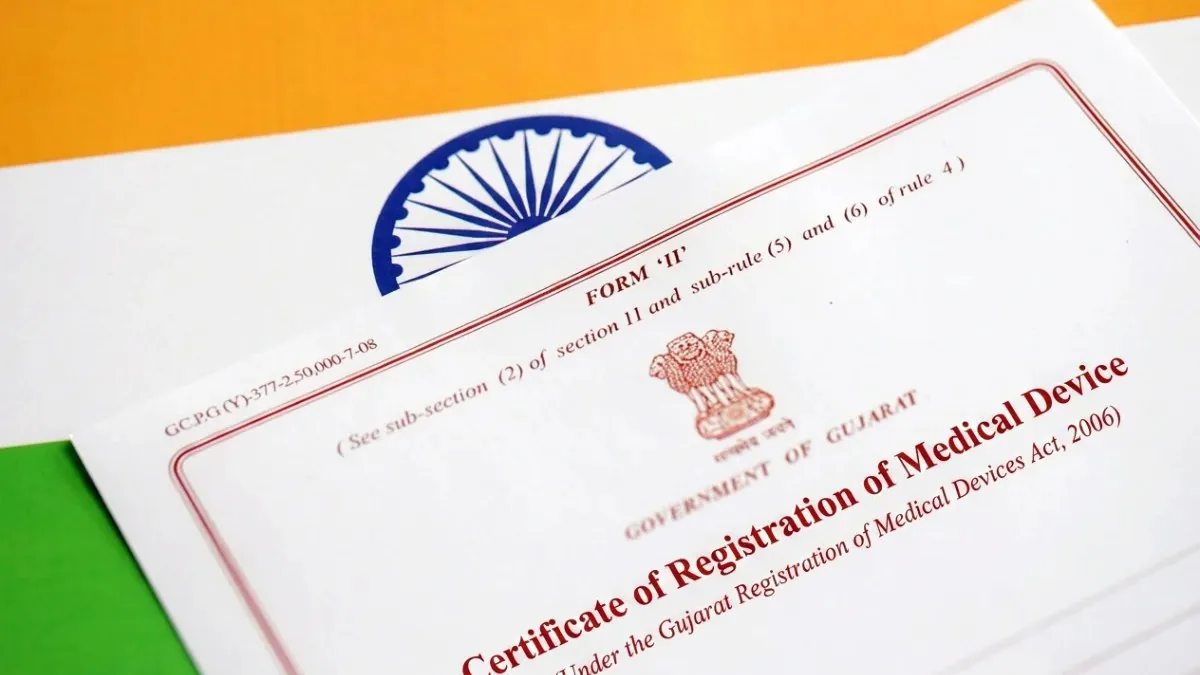
India’s device framework: from a short list to all devices
India moved from regulating a handful of notified devices to regulating every medical device in under a decade. A plain account of the structure for manufacturers and distributors.
India is both one of the larger markets for medical devices and one of the larger manufacturing bases, and until recently it regulated only a short list of them. That has changed comprehensively, and the change is still being absorbed by manufacturers on both sides of the border.
The old position, and why it ended
Historically only devices specifically notified were regulated as drugs under the Drugs and Cosmetics Act — sutures among the earliest, along with catheters, intrauterine devices, syringes and a handful of others. Everything not on the list sat outside device regulation, with quality assured by voluntary standards and by whatever the export market demanded.
The Medical Devices Rules 2017 replaced that with a framework covering devices as a category, and subsequent notifications extended it to all medical devices in phases. The direction was toward a system recognisable to anyone working under other major frameworks — which was, in part, the point.
How devices are classified
The Rules use a four-class, risk-based scheme familiar from international practice: Class A low risk, Class B low-moderate, Class C moderate-high, Class D high. Classification follows from intended use, invasiveness, duration of contact and whether the device is active, applied through published classification lists.
Class determines which authority licenses the device. State licensing authorities handle A and B; the Central Licensing Authority under CDSCO handles C and D, and all imports. A manufacturer with a mixed portfolio therefore deals with both, which is an administrative reality worth planning for rather than discovering.
What a manufacturer needs
The core requirements are recognisable, which is the useful part for anyone already compliant elsewhere:
A manufacturing licence for the site and the specific devices, from the authority matching the class.
A quality management system meeting the Rules’ requirements, which draw closely on ISO 13485 — so an existing certified system is largely reusable rather than duplicated.
A device master file and a plant master file — structured dossiers on the device and the facility, and the substance of the technical submission.
Evidence appropriate to the class — including clinical evidence for higher-risk devices, with defined routes for devices already approved in specified jurisdictions.
A qualified competent technical staff member with defined responsibilities, named in the licence.
Labelling to the Rules’ requirements — content, language and the manufacturing licence number on the pack.
Importing into India
An overseas manufacturer needs an import licence held by an authorised Indian agent — an entity with its own licence and defined legal responsibility. In practice the choice of that agent is one of the more consequential commercial decisions in an Indian market entry, because regulatory responsibility and commercial interest sit with the same party.
Registration certificates for the overseas site, and evidence of approval in the country of origin, form part of the submission. There are also price-control provisions on certain notified devices, administered separately from the licensing framework, which have been extended to several device categories and are a real factor in commercial planning.
What is still moving
Three things are worth watching, and none is settled.
The phased extension to all devices came with transition periods, and the practical position for a specific device category depends on which notification captured it and when. Enforcement capacity is being built out — a framework that now covers every device requires many more inspectors and assessors than one covering a notified list. And a dedicated medical devices statute, separating devices from the drug framework entirely, has been under discussion for years; whether it arrives, and in what form, remains open.
Any date or requirement relied on for a submission should be confirmed against the current notifications and CDSCO guidance rather than a summary.
Why it is relevant beyond India
Because a substantial share of the world’s sutures, syringes and basic surgical consumables is manufactured there, and a framework that raises domestic requirements changes what is available for export. The convergence is also practical rather than rhetorical: a manufacturer holding ISO 13485 certification, a maintained technical file and a functioning post-market system is a long way toward compliance in several jurisdictions at once. The documents differ in structure far more than in substance.
Dolphin Sutures’ current licences and certifications are listed on the certificates page.
This article summarises developments reported publicly across the medical-device trade press, conference programmes and clinical literature. It is general professional information — not clinical guidance, and not a claim about any Dolphin Sutures product. Device selection, indications and technique rest with the treating surgeon; refer to the Instructions for Use supplied with any device.
Talk to our team
Bulk pricing, OEM manufacturing and export documentation — response within one business day.